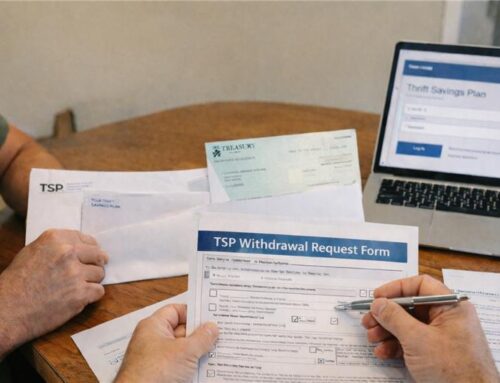
Withdrawing money from your Thrift Savings Plan (TSP) sounds simple on paper. You worked, you saved, and now it’s time to access your money. But for many federal employees and retirees in Puerto Rico, this step brings uncertainty, hesitation, and questions that don’t have obvious answers.
The reason is simple: TSP withdrawals are governed by strict rules, tax consequences, and timing considerations that can significantly affect how much money you actually keep. A small misstep—like withdrawing at the wrong age or choosing the wrong payment method—can quietly cost you thousands over time. This guide breaks everything down clearly so you can move forward with confidence, not confusion.
What Is the Thrift Savings Plan and Why Withdrawals Are Different
The Thrift Savings Plan is a retirement savings program designed specifically for federal employees and members of the uniformed services. While it looks similar to a private-sector 401(k), the withdrawal rules are far more structured and less flexible.
Unlike many private retirement plans, the TSP limits how often and how you can take money out. These rules are meant to protect long-term retirement income, but they can feel restrictive if you don’t understand them fully. Knowing these differences upfront helps you avoid assumptions that lead to costly errors later.
Traditional TSP vs Roth TSP: How Account Type Affects Withdrawals
The type of TSP account you hold plays a major role in how withdrawals are taxed and timed.
Traditional TSP Withdrawal Rules Explained
Withdrawals from a Traditional TSP are taxed as ordinary income in the year you take them. This means the money you withdraw is added to your taxable income and taxed at your current federal income tax rate. Many retirees underestimate how this can push them into a higher tax bracket, especially when combined with Social Security or pension income.
Roth TSP Withdrawal Rules Explained
Roth TSP withdrawals follow a different structure. Qualified withdrawals—those taken after age 59½ and after meeting the holding period—are generally tax-free. However, non-qualified withdrawals may still expose earnings to taxes, which surprises many people who assume all Roth withdrawals are automatically tax-free.
When Can You Withdraw Money From Your TSP Without Penalties?
Timing matters more than most people realize when it comes to TSP withdrawals.
Minimum Age Requirements for TSP Withdrawals
Generally, withdrawing funds before age 59½ can trigger a 10% early withdrawal penalty in addition to regular income taxes. However, there are important exceptions for federal employees who separate from service during or after the year they turn 55. Understanding these age thresholds allows you to plan withdrawals more strategically instead of reacting out of necessity.
Required Minimum Distributions (RMDs) and Why They Matter
Once you reach the required age for RMDs, the IRS mandates that you withdraw a minimum amount each year from your Traditional TSP. Missing an RMD can result in severe penalties, making this one of the most expensive mistakes retirees can make.
According to the IRS, failure to take an RMD can result in a penalty of up to 25% of the amount not withdrawn, though recent rule changes allow for reductions if corrected promptly.
What Are Your TSP Withdrawal Methods and Payment Choices?
The TSP offers several ways to access your money, each with different implications for taxes, income stability, and long-term planning.
Partial TSP Withdrawals: Flexibility With Limits
Partial withdrawals allow you to take a portion of your TSP balance while leaving the rest invested. This option is useful for covering short-term needs without fully disrupting long-term growth. However, partial withdrawals still follow strict rules, and once taken, they cannot always be reversed or adjusted.
Full TSP Withdrawals: What Happens When You Take Everything
A full withdrawal closes your TSP account entirely. While this may seem appealing for simplicity, it removes access to the plan’s low costs and structured protections. Many retirees later realize they acted too quickly without fully considering tax consequences or future income needs.
Monthly Payments and Income Planning
Monthly payments provide a predictable income stream, either as a fixed dollar amount or based on life expectancy calculations. This option appeals to retirees who want consistency, but it requires careful coordination with other income sources to avoid unnecessary tax exposure.
This is where understanding tsp distribution options becomes essential, as the wrong payment structure can create long-term cash-flow issues.
How Are TSP Withdrawals Taxed at the Federal and Local Level?
Taxes are often the biggest concern—and the biggest blind spot—when withdrawing from a TSP.
Federal Income Taxes on TSP Withdrawals
Traditional TSP withdrawals are taxed as ordinary income, and federal withholding is typically applied automatically unless you adjust it. Many retirees don’t realize that withholding is not the same as actual tax liability, which can lead to unexpected tax bills later.
Local Tax Considerations for Puerto Rico Residents
Puerto Rico’s unique tax structure adds another layer of complexity. While some retirement income may receive favorable treatment, not all TSP withdrawals qualify automatically. Understanding how local and federal rules interact is critical for avoiding double taxation or missed opportunities.
Step-by-Step: How to Withdraw Money From Your TSP
Understanding the process helps reduce stress and prevent delays.
What You Need Before Requesting a TSP Withdrawal
Before submitting a request, you should confirm your TSP login access, banking information, and tax withholding preferences. Small errors at this stage can delay distributions significantly.
How the TSP Withdrawal Process Works
Most withdrawals are initiated online through the TSP portal. Once submitted, requests are reviewed, processed, and sent via direct deposit or check. Processing times vary, but planning ahead prevents unnecessary gaps in income.
According to the Federal Retirement Thrift Investment Board, most properly submitted withdrawal requests are processed within several business days, though delays can occur during peak periods.
Common TSP Withdrawal Mistakes Federal Retirees Make
Mistakes often happen not because people are careless, but because the rules are unclear.
Many retirees withdraw too much too fast, pushing themselves into higher tax brackets. Others wait too long and face RMD penalties. Some assume their withdrawal strategy will “fix itself” without coordination with Social Security or pension income. Avoiding these pitfalls requires intentional planning, not guesswork.
TSP Withdrawals vs Rolling Over Your TSP to an IRA
Some retirees consider rolling their TSP balance into an IRA instead of withdrawing directly.
When a Rollover Makes Sense
A rollover can offer more investment flexibility and broader distribution options. However, it also introduces higher fees and greater responsibility for managing investments and withdrawals.
When Staying in the TSP Is the Better Choice
The TSP’s low costs and structured options appeal to retirees who value simplicity and discipline. Choosing between withdrawal and rollover depends on your income needs, tax situation, and long-term strategy.
How TSP Withdrawals Fit Into a Bigger Retirement Income Strategy
A TSP withdrawal should never exist in isolation. It must work alongside Social Security, pensions, and other savings.
Strategic sequencing of withdrawals can help manage tax brackets, preserve long-term assets, and support income stability. This is especially important for retirees planning long retirements who want their money to last without constant stress.
Frequently Asked Questions About TSP Withdrawals
Can I Change My Withdrawal Method Later?
Some changes are allowed, but not all. Certain decisions, once made, limit future flexibility, making it essential to think ahead.
Can I Withdraw From Roth and Traditional TSP Separately?
Withdrawals are typically taken proportionally from both account types, which can complicate tax planning if not anticipated.
What Happens to My TSP If I Pass Away?
TSP balances pass to designated beneficiaries, but the distribution rules differ from other retirement accounts, making beneficiary planning essential.
Wrapping Up
Withdrawing money from your Thrift Savings Plan is not just a transaction—it’s a long-term financial decision that affects taxes, income stability, and peace of mind. For federal employees and retirees in Puerto Rico, understanding the rules clearly is the difference between confidence and costly mistakes.
Educational guidance and informed planning matter more than quick decisions. Resources like PWR Retirement Group exist to help individuals make sense of these complexities, especially when working with the best federal retirement consultant in puerto rico who understands both federal benefits and local considerations.
The more clarity you have before withdrawing, the more control you maintain over your retirement future.