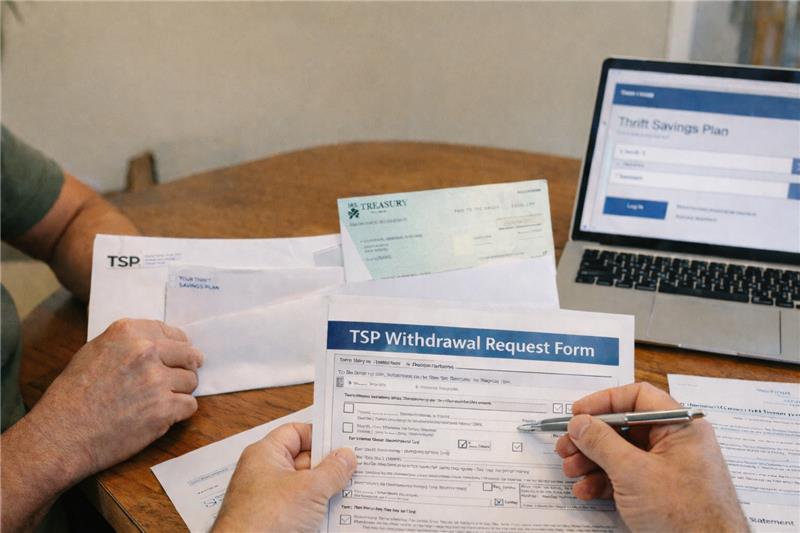
Most federal employees are disciplined savers. They contribute regularly to their Thrift Savings Plan, monitor balances, and focus on growing their retirement accounts. What often gets overlooked, however, is the impact taxes will have when that money is eventually used. A strong balance does not automatically translate into strong retirement income if taxes quietly erode it year after year.
For people living in Puerto Rico, this issue becomes even more important. Federal benefits, local tax considerations, and retirement timing all intersect in ways that can either reduce or increase your lifetime tax burden. The Thrift Savings Plan is more than a retirement account—it is one of the most powerful tax-management tools available to federal employees when used intentionally.
What Is the Thrift Savings Plan and Why Taxes Are Central to It?
The Thrift Savings Plan, or TSP, is the federal government’s retirement savings plan for eligible employees and uniformed service members. While it often gets compared to a private-sector 401(k), its real strength lies in how it allows federal employees to control when and how taxes are paid.
Taxes are not a one-time event in retirement. They show up during your working years, at withdrawal, and even later through required minimum distributions. The TSP gives you tools to manage this timeline, which can significantly reduce the total taxes you pay over your lifetime if used correctly.
How Traditional TSP Contributions Reduce Your Taxes Today
How Pre-Tax TSP Contributions Lower Your Current Taxable Income
Traditional TSP contributions are made with pre-tax dollars, which means the amount you contribute is deducted from your taxable income for the year. This lowers the income the IRS uses to calculate your tax bill, often reducing your overall tax rate. For many federal employees, this translates into immediate tax savings without changing spending habits.
Why Lowering Your Tax Bracket Matters More Than It Seems
Reducing taxable income can help keep you in a lower marginal tax bracket. Even a small shift can reduce the percentage of taxes applied to every additional dollar you earn. Over decades of consistent contributions, this can result in thousands of dollars kept in your pocket instead of sent to the IRS.
According to the Federal Retirement Thrift Investment Board, the vast majority of TSP participants use Traditional (pre-tax) contributions as their primary savings method, highlighting how widely this tax-deferral strategy is used.
How Roth TSP Contributions Reduce Taxes in Retirement
Paying Taxes Now to Avoid Higher Taxes Later
Roth TSP contributions are made with after-tax dollars, meaning you pay taxes today in exchange for tax-free withdrawals later. This can be extremely valuable for federal employees who expect higher income or higher tax rates in retirement. Once qualified, Roth TSP withdrawals are not included in taxable income.
Why Roth TSP Creates Long-Term Tax Flexibility
Roth TSP accounts give retirees flexibility when managing taxable income. Having both Traditional and Roth balances allows you to choose which account to draw from each year, helping control tax brackets, Medicare premiums, and other income-based costs.
How Employer Matching in the TSP Improves Tax Efficiency
Why the TSP Match Is Tax-Deferred Growth You Didn’t Pay For
Agency matching contributions are deposited into your Traditional TSP and grow tax-deferred. This means you are receiving additional retirement savings without increasing current taxable income. Few financial strategies offer this kind of immediate and long-term tax advantage simultaneously.
The Hidden Tax Cost of Missing the Match
Not contributing enough to receive the full match effectively leaves tax-advantaged growth on the table. Over time, missing employer contributions can result in higher personal savings needs and increased taxable income later in retirement.
How TSP Withdrawals Are Taxed and Why Planning Matters
How Traditional TSP Withdrawals Are Treated for Taxes
Withdrawals from a Traditional TSP are taxed as ordinary income. This means they are added to your taxable income for the year, potentially pushing you into a higher tax bracket. Without planning, large withdrawals can create unexpected tax bills.
Why Understanding Withdrawal Timing Is Critical
When and how you withdraw matters just as much as how you contribute. Coordinating withdrawals with Social Security, pensions, and other income sources helps manage taxable income and reduce lifetime taxes.
This is where understanding tsp distribution rules becomes essential, as these rules dictate when withdrawals are required and how they are taxed.
TSP vs IRA vs Taxable Accounts: Which Reduces Taxes the Most?
Why TSP Often Beats Taxable Accounts for Long-Term Tax Efficiency
Taxable investment accounts expose earnings to capital gains and dividend taxes every year. The TSP avoids this annual taxation, allowing more money to stay invested and grow over time.
How TSP Compares to IRAs
While IRAs also offer tax advantages, the TSP’s low costs and simplicity make it especially effective for federal employees. Managing fewer accounts can also simplify tax planning and reduce costly mistakes.
How Federal Employees in Puerto Rico Can Use TSP Strategically
Federal employees living in Puerto Rico face unique planning considerations. Federal retirement income interacts differently with local taxes, and strategic use of Traditional and Roth TSP balances can help manage this complexity. Planning contributions and withdrawals intentionally can reduce tax exposure and improve retirement cash flow.
Common Tax Mistakes Federal Employees Make With Their TSP
Many employees contribute without considering future tax consequences. Others rely solely on Traditional contributions and ignore Roth options, limiting flexibility later. Poor withdrawal timing, lack of RMD planning, and failing to coordinate TSP with other income sources are also common mistakes that increase taxes unnecessarily.
How to Use the TSP as a Long-Term Tax Strategy
Balancing Traditional and Roth Contributions
Tax diversification—having both pre-tax and after-tax accounts—creates flexibility. It allows retirees to adjust withdrawals year by year to manage tax brackets and income thresholds.
Coordinating TSP With Other Retirement Income
TSP withdrawals should work alongside Social Security, pensions, and other savings. A coordinated strategy helps smooth taxable income and reduces the risk of large tax spikes later in retirement.
Frequently Asked Questions About TSP and Taxes
Does contributing to TSP lower my taxes now?
Yes, Traditional contributions reduce taxable income in the year they are made.
Are TSP withdrawals taxable?
Traditional withdrawals are taxable; qualified Roth withdrawals are generally tax-free.
Can TSP affect my tax bracket in retirement?
Yes, withdrawal amounts directly impact taxable income and tax brackets.
Wrapping Up
The Thrift Savings Plan is far more than a place to save for retirement. When used thoughtfully, it becomes a long-term tax-management tool that can reduce how much you pay today, tomorrow, and decades from now. For federal employees living in Puerto Rico, understanding how contributions, growth, and withdrawals interact with taxes is essential for protecting retirement income.
Educational resources like PWR Retirement Group exist to help federal employees make sense of these decisions in context, especially when guided by the best financial advisor for federal employees who understands how tax strategy fits into the bigger retirement picture.
When taxes are planned—not ignored—your retirement savings work harder for you, not the IRS.